
It’s pretty wild to think about how much the internet has changed things, right? Like, just a few decades ago, getting information meant trips to the library or waiting for the mail. Now, with a few clicks, we can learn almost anything, talk to people across the globe instantly, and even buy stuff without leaving our couch. This whole interconnectedness is a huge deal, and understanding the importance of the internet is key to seeing how much our world has transformed. It’s not just about cat videos and social media; it’s about how we learn, work, and connect with each other on a massive scale.
Key Takeaways
- The internet has opened up access to a massive amount of educational material, making learning available to more people than ever before.
- It’s transformed how we communicate, allowing for instant connections with anyone, anywhere, and helping us understand different cultures.
- Businesses now have wider reach and can operate more efficiently thanks to online tools and e-commerce.
- The development of internet infrastructure, from early networks to today’s advanced tech, has been a major factor in its widespread use.
- There’s a continuing effort to make sure everyone can get online, which involves building infrastructure and teaching people how to use digital tools.
The Internet’s Role in Global Knowledge Expansion
It’s pretty wild when you think about how much information is just out there, waiting to be found, thanks to the internet. Before this whole online thing, getting your hands on knowledge often meant trips to libraries, digging through encyclopedias, or relying on what was on TV. Now, it’s like having the world’s biggest library and a university campus right at your fingertips.
Facilitating Access to Educational Resources
Seriously, the internet has changed the game for learning. You can find articles, research papers, and even full books on almost any topic imaginable. Universities are putting lectures online, and there are countless websites dedicated to teaching everything from coding to cooking. It’s made learning way more accessible, especially for people who can’t easily attend traditional classes.
Enabling Continuous Learning and Skill Development
This constant availability of information means learning doesn’t have to stop when you leave school. Need to pick up a new skill for work? There’s probably an online course or tutorial for that. People are using the internet to get certifications, learn new languages, or just explore hobbies they’re interested in. It’s a huge plus for staying relevant in a changing job market.
Promoting the Sharing of Ideas and Innovation
Beyond just consuming information, the internet is a massive platform for sharing ideas. Think about forums, social media groups, and collaborative projects. When people from different backgrounds and locations can easily share their thoughts and discoveries, it sparks new ways of thinking and problem-solving. This back-and-forth really helps push innovation forward.
The sheer volume of readily available information means individuals can explore subjects far beyond their immediate surroundings, leading to a more informed and curious global population.
Here’s a quick look at how access has changed:
- Before Internet: Limited access to physical libraries, reliance on printed materials, slower information dissemination.
- With Internet: Instant access to digital libraries, online databases, multimedia content, global news sources.
- Impact: Accelerated research, self-directed learning, broader perspectives on global issues.
Transforming Communication and Social Interaction
It’s pretty wild to think about how much the internet has changed how we talk to each other and hang out. Before, you’d have to wait days for a letter, or if you wanted to chat with someone far away, it was a pricey phone call. Now? It’s all instant.
Instantaneous Global Communication Channels
This is probably the biggest change. We can send messages, pictures, and even video to anyone, anywhere, in seconds. Think about it: you can video call your family on the other side of the world like they’re in the next room. Email, instant messaging apps, and social media platforms have made distance almost meaningless when it comes to keeping in touch. It’s not just personal chats either; businesses can coordinate with teams globally without missing a beat.
Building and Maintaining Social Connections
Beyond just talking, the internet helps us keep our friendships and family ties strong, even when life gets busy or people move away. Social media sites let us see what friends are up to, share our own updates, and comment on each other’s lives. It’s like a digital scrapbook and a constant conversation all rolled into one. For people who might be shy or have trouble meeting new people face-to-face, online communities can be a real lifeline.
Fostering Cultural Exchange and Understanding
This is a really cool side effect. You can learn about different cultures just by browsing online. You can watch videos from other countries, read blogs by people with different backgrounds, or even join online groups that share a common interest, no matter where they live. It’s opened up a whole new way to see the world and understand people who are different from us.
The way we connect now is so different from even twenty years ago. It’s not just about sending a message; it’s about sharing experiences in real-time, building communities around shared interests, and getting a glimpse into lives and cultures we might never have encountered otherwise. This constant flow of information and interaction has reshaped our social fabric in ways we’re still figuring out.
Here’s a quick look at how communication has changed:
- Pre-Internet: Letters, landline phones, telegrams.
- Early Internet: Email, basic chat rooms, forums.
- Modern Internet: Instant messaging, video calls, social media, live streaming.
It’s a pretty big jump, right? The speed and ease of it all are pretty amazing when you stop and think about it.
Driving Economic Growth and Business Opportunities
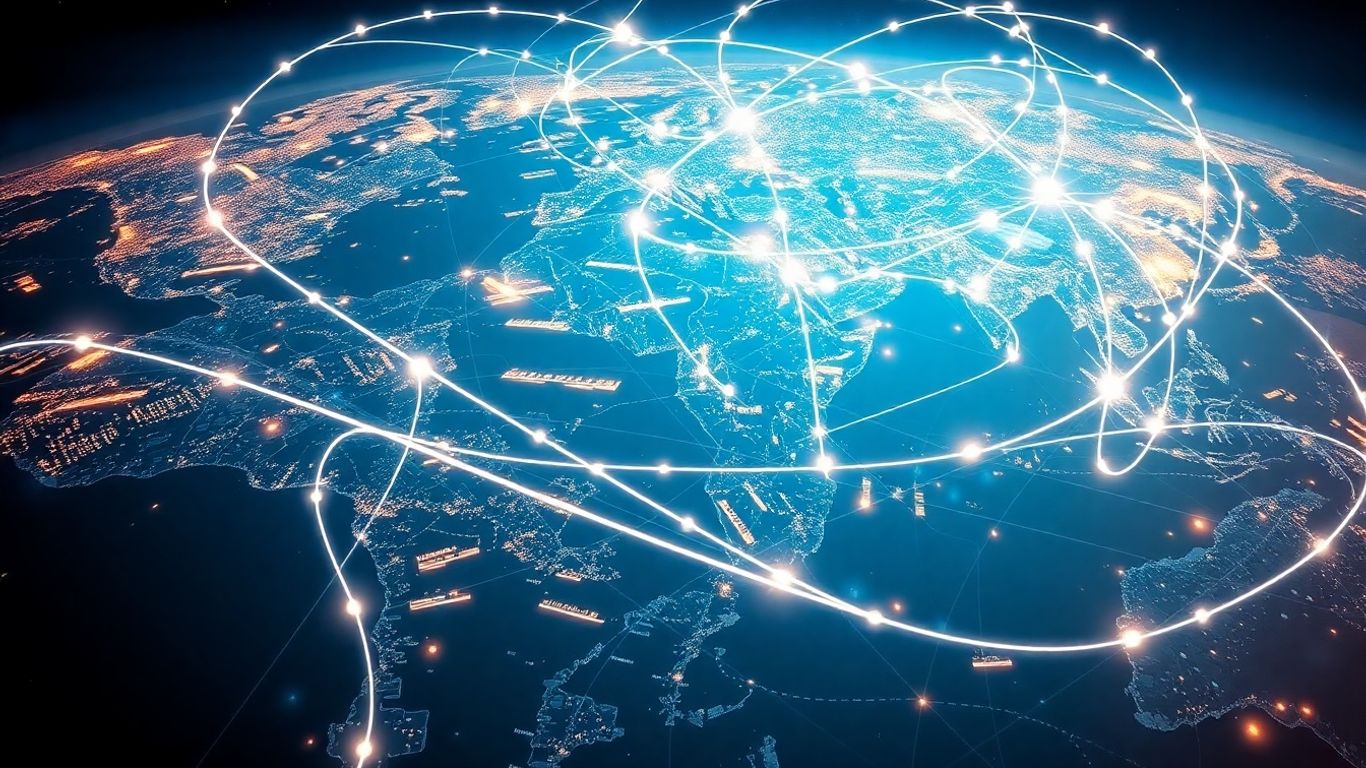
It’s pretty wild how much the internet has changed the way we do business, right? Gone are the days when you were stuck selling only to people in your town. Now, you can reach pretty much anyone, anywhere.
Expanding Market Access for Businesses
This is a big one. The internet basically tears down geographical walls. Businesses, big or small, can now find customers all over the planet. Think about online stores and marketplaces; they let even a tiny shop in a small town sell their products to someone in another country. This global reach is a game-changer, especially for small and medium-sized businesses that might not have had the resources to expand otherwise. It’s not just about selling, either. Companies can find suppliers, partners, and talent from anywhere in the world, too. This makes everything more efficient and opens up a ton of new possibilities.
Enhancing Worker Productivity and Efficiency
On the inside of a company, the internet is just as important. Tools like video calls and instant messaging mean teams can work together even if they’re miles apart. This real-time communication helps make decisions faster and respond quickly when things change in the market. Plus, access to information is instant. Need to research something? Look up a competitor? It’s all right there. This speed and access mean people can get more done in less time.
Facilitating E-commerce and Digital Transactions
This is probably the most visible change for most of us. Buying and selling online is now totally normal. From ordering groceries to booking flights, so much happens through digital transactions. This makes things convenient for customers and creates new business models for companies. It’s also opened up opportunities for people to work remotely, giving them more flexibility in their careers. The ability to connect with people and conduct business online is really reshaping the economy.
The internet’s impact on the economy is undeniable. It’s not just about making things faster; it’s about creating entirely new ways for people to connect, learn, and earn a living. This shift has been happening for decades, with internet use growing steadily and bringing more of the world online.
| Metric | Pre-Internet (Approx.) | Current (Approx.) |
|---|---|---|
| Global E-commerce Sales | Minimal | Trillions USD |
| Remote Work % | Negligible | 10-20% |
| Small Business Exports | Limited | Significant |
The Evolution of Internet Infrastructure
From ARPANET to the World Wide Web
The internet didn’t just appear overnight. It started as a government project, a way for researchers and the military to share information securely. Think back to the 1960s; the idea was to create a network that could withstand disruptions, a far cry from the always-on connection we expect today. Early efforts like ARPANET, born from a need to improve communication speed and efficiency, experimented with packet switching. This method breaks down data into smaller pieces, sending them separately and reassembling them at the destination. It was a big shift from older, more fragile communication systems. This foundational work laid the groundwork for the interconnected world we know. The development of protocols like TCP/IP in the 1980s was another major step, standardizing how data travels across networks and making it possible for different systems to talk to each other. This period saw the internet grow from a few connected nodes to a more robust network, eventually opening the door for wider use.
The Impact of Personal Computer Adoption
For a long time, using the internet was mostly limited to universities and government institutions. Computers were huge, expensive, and definitely not something you’d find in a typical home. But then came the personal computer, or PC. The rise of companies making PCs more accessible and affordable changed everything. Suddenly, individuals could connect to this growing network from their own homes. This shift was massive because it put the power of the internet directly into people’s hands. It wasn’t just about researchers anymore; it was about everyday people sharing ideas, starting online businesses, and connecting with others. This democratization of access really fueled the internet’s expansion and led to the creation of the World Wide Web as we know it, with countless websites and online services connecting people globally.
Advancements in Connectivity Technologies
As more people got online, the need for faster and more reliable connections became obvious. Early dial-up connections were slow and tied up phone lines. Over time, we’ve seen incredible advancements. Technologies like broadband, fiber optics, and wireless networks have dramatically increased speeds and made internet access more consistent. These improvements aren’t just about speed; they’ve enabled new ways to use the internet, from streaming video and online gaming to remote work and cloud computing. The infrastructure continues to evolve, with ongoing research into even faster and more efficient ways to transmit data. It’s a constant cycle of innovation driven by our increasing reliance on digital communication and information.
The journey from a small, experimental network to the global, ubiquitous system we use daily is a testament to continuous innovation and adaptation. Each phase of development, from the initial packet-switching concepts to the widespread adoption of personal computers and the ongoing improvements in connectivity, has built upon the last, shaping the internet into the transformative force it is today.
Bridging the Digital Divide for Inclusive Access
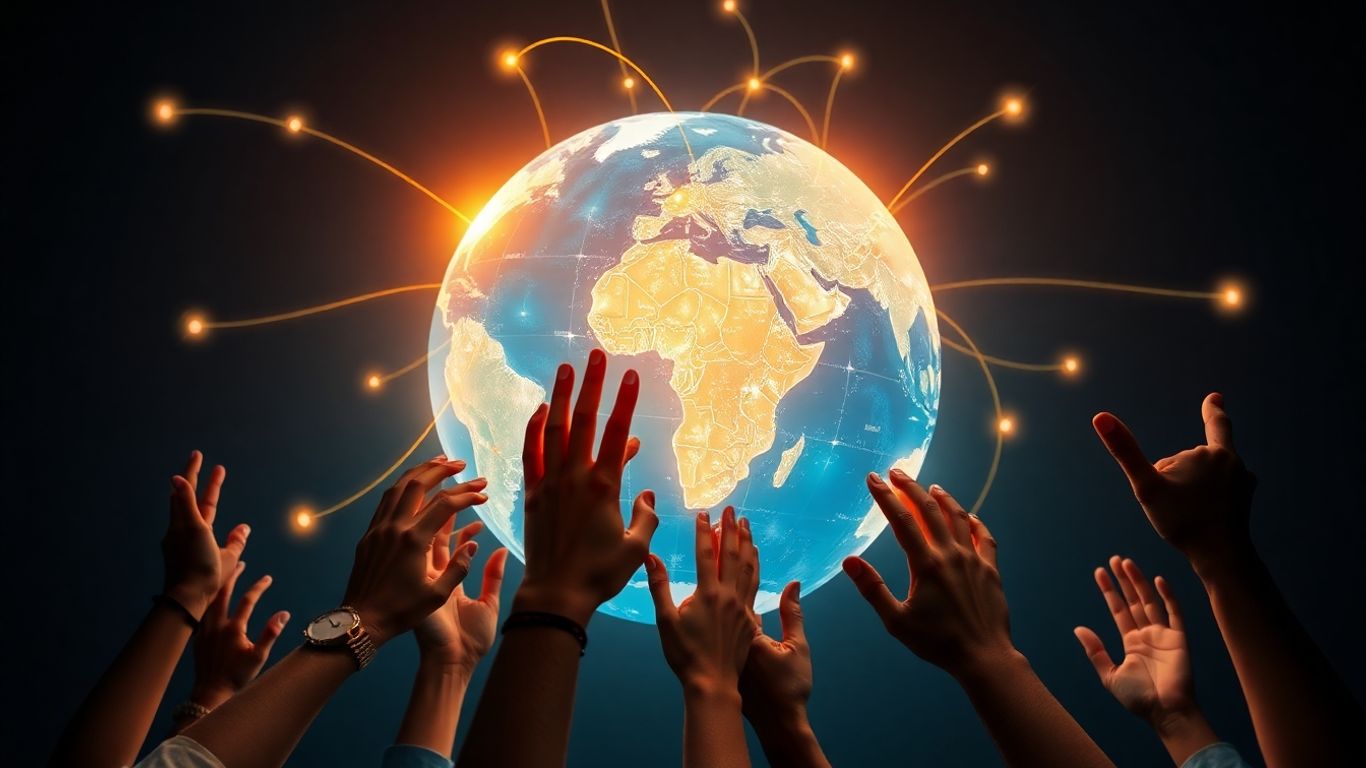
It’s easy to forget that not everyone has the same level of internet access. We talk about connecting the world, but there’s a big gap, often called the digital divide, that stops many people from getting online. This isn’t just about having a connection; it’s about making sure that connection is affordable, reliable, and that people know how to use it.
Connecting Remote and Underserved Communities
Getting internet into far-off places or areas that aren’t seen as profitable can be tough. Think about rural villages or neighborhoods that have been overlooked. Building the necessary infrastructure, like laying cables or setting up cell towers, costs a lot of money. Sometimes, governments and private companies team up to make these projects happen. For example, initiatives might focus on using new tech like satellite internet to reach places where regular cables can’t go. It’s about finding smart ways to get service to everyone, no matter where they live.
Ensuring Affordable and Reliable Internet Access
Even if the internet is available, it’s no good if people can’t afford it or if the connection keeps dropping. The cost of data plans and devices can be a big hurdle, especially for families with tight budgets. Making sure the internet works well and doesn’t cost too much is a major part of closing the digital divide. This often involves government policies that encourage competition among internet providers, which can help drive down prices and improve service quality.
Empowering Individuals Through Digital Literacy
Having internet access is only half the battle. People also need to know how to use it safely and effectively. Digital literacy programs teach basic computer skills, how to navigate the web, and how to spot online risks. These programs are super important for helping people find jobs, access education, and connect with others. When people gain these skills, they can really make the most of being online.
The goal is to create a world where everyone, regardless of their location or income, can participate fully in the digital age. This means not just providing access, but also building the skills and support systems needed for meaningful engagement.
The Internet’s Impact on Personal Development
Accessing Information for Personal Growth
The internet has really changed how we learn about ourselves and the world. It’s like having a massive library at your fingertips, but way more interactive. You can look up anything, from learning a new language to understanding complex historical events. This easy access to information means we can constantly expand our knowledge base without even leaving our homes. It’s pretty amazing when you think about it. We can read articles, watch documentaries, and even take online courses on subjects we never had the chance to explore before.
Utilizing Online Platforms for Career Advancement
When it comes to jobs, the internet is a game-changer. It’s not just about finding job listings anymore. There are so many platforms now where you can learn new skills that employers are looking for. Think about online courses that teach coding, digital marketing, or even graphic design. Many of these are offered by universities or industry professionals, and they can really boost your resume. Plus, sites like LinkedIn let you connect with people in your field, which can open doors to new opportunities. It’s a way to keep your career moving forward, even if you’re already employed.
Balancing Online Engagement with Offline Life
While all this online stuff is great, it’s also important to remember to step away from the screen sometimes. It’s easy to get caught up in endless scrolling or online games. Finding a balance is key. This means making time for real-world activities, like spending time with friends and family, exercising, or just enjoying nature.
Here are a few ideas for staying balanced:
- Set specific times for internet use each day.
- Schedule offline activities you enjoy.
- Turn off notifications when you need to focus or relax.
- Be mindful of how much time you’re spending online and how it makes you feel.
It’s about using the internet as a tool to improve your life, not letting it take over. Making conscious choices about your online habits helps you stay connected to what truly matters.
The Ever-Expanding Web
So, looking back, it’s pretty wild how much the internet has changed things. From letting us learn anything we want without leaving the couch to connecting us with people all over the planet, it’s really reshaped how we live. It started small, just a way for researchers to share stuff, but it grew into this massive network that touches almost everything we do. Sure, there are downsides, like getting lost online too much, but the good stuff – like learning new skills, staying in touch with family far away, or even just finding a recipe – is pretty amazing. It’s clear the internet isn’t going anywhere, and it’ll keep changing how we do things, hopefully for the better.
Frequently Asked Questions
How did the internet start?
The internet began as a project called ARPANET, created by the U.S. Department of Defense in the late 1960s. It was designed to help researchers share information and communicate. Over time, it grew and changed, eventually becoming the worldwide network we use today.
Why is the internet important for learning?
The internet gives us access to tons of information, like articles, books, and videos, right at our fingertips. This makes it super easy to learn new things, do homework, and even take online classes to get new skills for jobs.
How does the internet help people connect with each other?
It lets us talk to people anywhere in the world instantly through messages, video calls, and social media. This helps us stay in touch with friends and family, meet new people, and learn about different cultures.
Can the internet help businesses make more money?
Yes! Businesses can use the internet to sell their products to people all over the world, not just in their local area. It also helps workers do their jobs better and faster, and makes it easier to buy and sell things online.
What is the ‘digital divide’?
The digital divide refers to the gap between people who have easy access to the internet and technology and those who don’t. Efforts are being made to connect more people, especially in remote areas, and teach them how to use the internet safely and effectively.
How has the internet changed over time?
It started as a simple way for researchers to share data. Then, personal computers made it easier for people to use at home. Now, with faster connections and new technologies like smartphones and Wi-Fi, it’s a much bigger and more powerful tool that affects almost every part of our lives.